
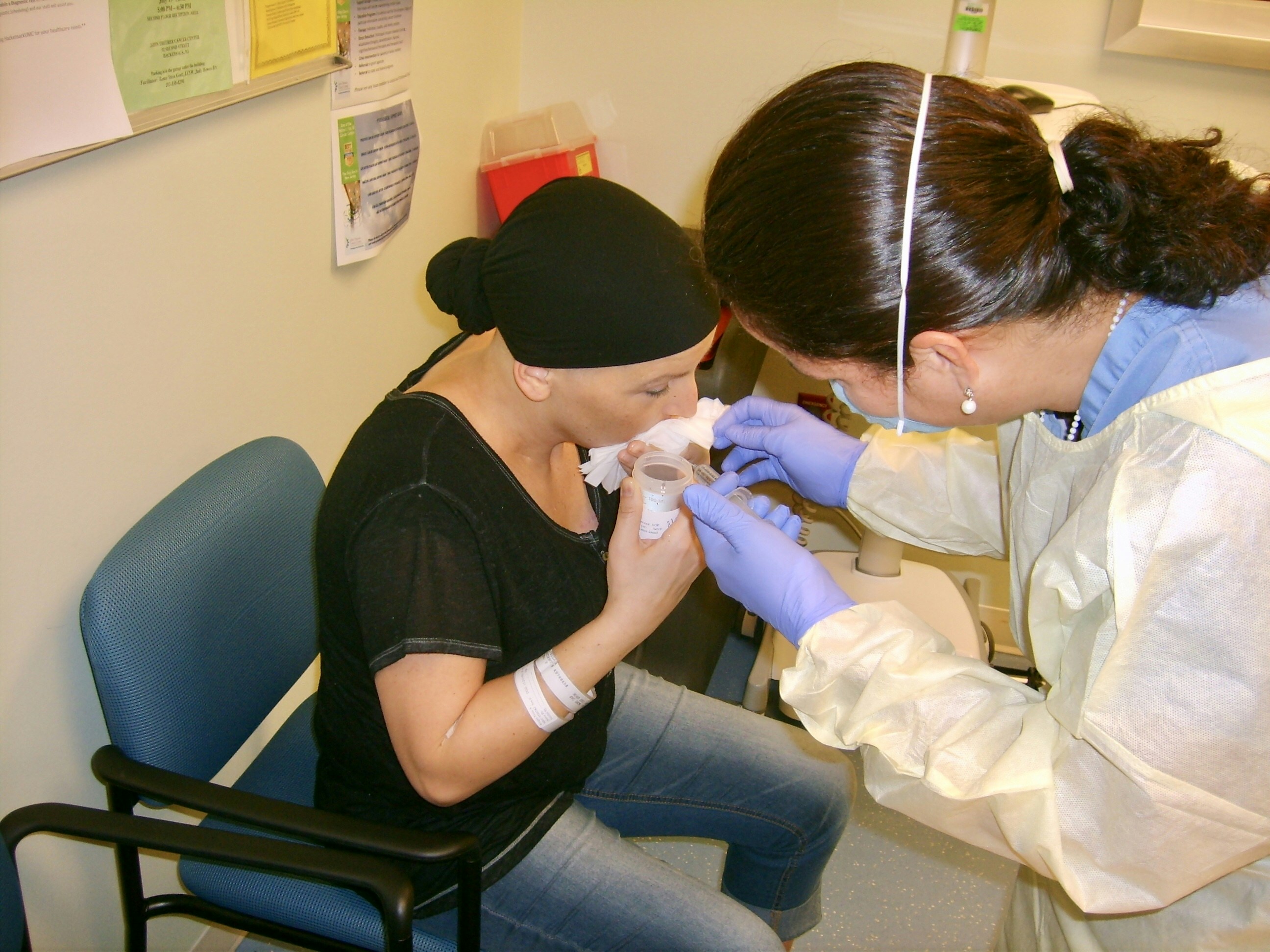
Introduction
Certified Nursing Assistants (CNAs) play a pivotal role in the healthcare system, ensuring that patients receive the care and support they need. Their responsibilities extend beyond basic patient care, encompassing various tasks that maintain the efficiency of healthcare facilities.
Core Responsibilities of a CNA
One of the primary duties of a certified nursing assistant is to assist patients with their daily activities. This includes helping them with bathing, dressing, and grooming, which are essential for maintaining their dignity and comfort. In addition to personal care, CNAs are responsible for monitoring vital signs and reporting any significant changes in a patient’s condition to the nursing staff.
Importance of Communication and Teamwork
Effective communication is crucial in the role of a CNA. They serve as a vital link between patients and the healthcare team. By accurately conveying patients’ needs and concerns, CNAs ensure that appropriate care plans are implemented. Furthermore, teamwork is essential as CNAs often collaborate closely with registered nurses, doctors, and other staff, fostering a supportive environment for patient recovery.
In summary, understanding the roles and responsibilities of a certified nursing assistant is essential for anyone considering entering the healthcare field. The contributions of CNAs not only impact patient care but also enhance the overall functionality of healthcare systems.